If you take pride in your car, chances are you put more time into keeping it clean and looking its best than most. DIY car care has its benefits, but you can pick up bad habits without realizing it. Over time, those small car detailing mistakes can leave behind swirl marks, faded paint, stubborn water spots, and stained or faded interiors. The good news is that most of these mistakes are easy to avoid once you know what to watch out for.
If you don’t have time for DIY car care, download our Eco Wash Benefit Guide for more details on our steaming cleaning auto detailing.
1. Washing Your Car in Direct Sunlight
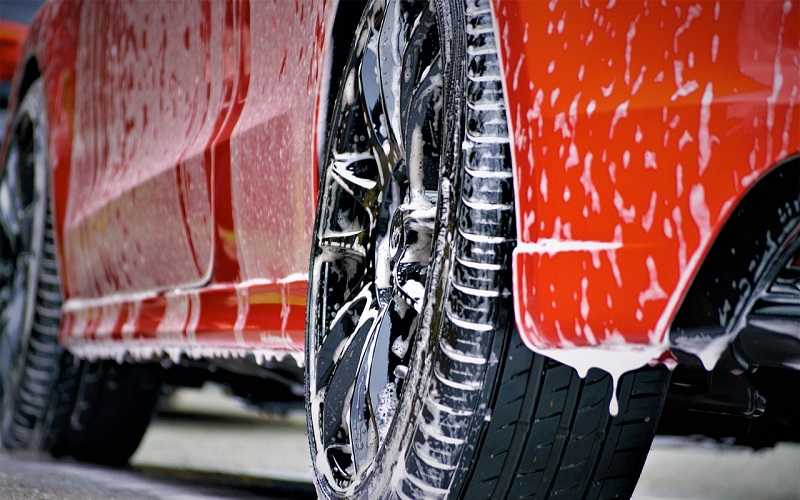
A sunny day can seem like the perfect time to wash your car, since you can see all the dirt. But the heat from direct sunlight actually makes the job harder. When your car’s paint gets hot, soap and water dry too quickly. You might notice water spots or soap marks before you even finish rinsing. If you’ve ever seen streaks appear as your car dries, sunlight is often to blame.
You’ll get better results if you wash your car in the shade, in a garage, or at cooler times, such as early morning or late afternoon. This gives you more time to rinse and dry your car without rushing the job.
2. Using One Bucket
Using just one bucket for both rinsing and washing might not seem like a big deal, but it is actually one of the main reasons swirl marks and fine scratches appear on your car’s paint.
When you wash your car, dirt and grit get stuck in your wash mitt or sponge. If you keep putting that dirty mitt into the same bucket of soapy water, you just spread the dirt back onto your car each time. So, you end up washing your car with dirty water.
That’s why many professional detailers have two buckets in their car wash kit. One bucket has clean soapy water, and the other is just for rinsing dirt off your wash mitt before you dip it back into the soap. This can really help reduce swirl marks and keep your paint looking better for longer. If you notice marks, see how to get rid of swirls on a car in a few easy steps.
3. Cleaning Your Wheels Last
Another common mistake is cleaning your wheels last. It might seem logical to save the dirtiest part for last, but wheels collect brake dust and grime that can splatter onto clean paint, creating more work for you.
4. Using the Wrong Cleaning Products
You may have been tempted at some point to grab whatever cleaning product you already have at home. Dish soap works on greasy plates and pans. However, every time you use harsh household cleaners on your vehicle, you slowly remove the protection that shields your paint from sunlight, rain, and environmental contaminants. Eventually, your paint can start looking dull even though you wash it regularly. For best results, try eco friendly steam cleaning.
5. Scrubbing Stains Too Hard
It is a natural mistake to make. You see a stain on the car seats or carpets, and you rub at it hard with car interior detailing products to make it go away. But this can make the problem worse instead of better.
Most stains respond better when you use the right cleaner. Let it sit for a short time, and gently work it into the surface using a soft microfiber cloth or detailing brush. Taking a slower and more careful approach helps protect your vehicle while still getting the results you want.
For tougher stains, steam clean car interior. Pressurized steam lifts dirt without the need for harsh scrubbing. So you can safely know how to remove stains from car seats without damaging fabrics or leather.
6. Overusing Products
You can also run into problems by overusing products that are designed for occasional use. For example, when you use clay bars correctly, they’re excellent for removing stubborn contaminants from paint surfaces.
However, if you use them too often, you can create tiny scratches that gradually affect the finish of your vehicle. Also, knowing when to clay bar your car is important.
7. Not Drying Car Mats Properly
When it comes to car interior detailing, the products you use matter, but so does your technique. If you’ve ever shampooed your car mats and had trouble getting them fully dry, you know how easily moisture can get trapped inside. That leftover dampness won’t just go away. Over time, it can cause mildew smells that are even harder to get rid of than the original dirt or stains.
That’s why many drivers choose high-quality rubber car mats over regular carpet ones. They might cost a bit more, but they are much easier to clean, dry quickly, and handle everyday dirt, mud, and spills without trapping moisture. See how to clean rubber car mats and choose the right car carpet stain remover products.
8. Waxing Your Car Incorrectly
Common auto detailing mistakes include using old towels or rags when waxing your car. Even if they look clean, they can contain tiny dirt particles trapped in the fibers. Once you start rubbing them across your paint, those particles can leave behind fine scratches and swirl marks that become obvious in sunlight.
You’ll get much safer and more consistent results using a clean foam applicator or microfiber pad designed specifically for detailing. Wax manufacturers often include a small sponge or foam applicator to ensure even wax application.
Another mistake is using too much wax at once. If using a liquid wax, don’t pour it directly on your car. This will lead to uneven streaks or discoloration. Pour the recommended portion on an applicator pad. Then, use this to apply and polish.
And no matter how eager you are to start waxing, you should never apply wax to a dirty vehicle. Even tiny bits of dust left behind after washing can get dragged across the paint while you’re polishing. Try exterior car steam cleaning first for superior results.
9. Not Following Product Instructions
Another one of the most common car detailing mistakes is not allowing the product to ‘dwell’, meaning you don’t give it time to work its magic. So, bear in mind that many detailing products are designed to work slowly.
Whether you’re using a wheel cleaner, leather treatment, carpet cleaner, or wax product, most formulas need a little time to break down dirt and contaminants properly. If you wipe them off too quickly or start scrubbing right away, you usually end up doing more work while getting worse results.
When you slow down and actually follow the instructions, you’ll usually notice better results almost immediately. Your paint looks cleaner, your interior materials last longer, and you reduce the risk of scratches or discoloration. For a simple DIY hack, see how to remove car scratches with toothpaste.
10. Using the Wrong Towels
Don’t make the mistake of reaching for an old bath towel or T-shirt when you need a cloth for auto detailing. Instead, use a high-quality microfiber car cloth. These cloths trap dirt inside the fibers instead of dragging it across your paint. That means you lower the risk of scratches every time you wipe or dry your vehicle. A good car interior detailing kit should include car towels.
A lot of drivers still prefer chamois for drying because they absorb a lot of water quickly, but they don’t lift dirt nearly as safely as microfiber towels do. If debris stays trapped between the material and your paint, it can easily leave marks behind.
Even washing your microfiber towels incorrectly can reduce their effectiveness. Fabric softeners leave behind residue that weakens the fibers and reduces absorbency over time, which means your towels stop performing the way they should.
Conclusion
To sum up, simple car detailing mistakes can be costly if you accidentally damage your prized possession. But in many cases, slowing down a little, using the right products, and paying attention to proper technique can make a huge difference in how your vehicle looks long-term.
And if you’d rather save yourself the time and effort, leave the auto detailing to DetailXPerts. Our friendly and experienced team knows how to deliver a safe, high-quality clean using the power of steam. The high temperature produced during the steam cleaning process helps clean and sanitize interiors. Steam detailing also helps restore the shine to your vehicle’s paintwork without the need for harsh chemicals.
If you’re interested in environmentally friendly car care, download our Eco Wash Benefit Guide.