
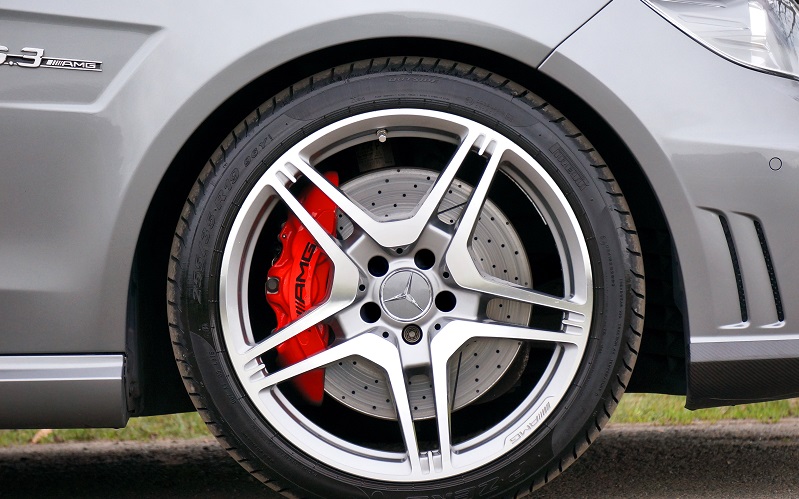
Dirty tires and wheels can spoil the look of your freshly washed and waxed car. But it’s not just about appearance. Dirt, road salt, brake dust, sunlight, and bad weather can cause premature fading and cracking over time, which means costly replacements. But a few simple tire detailing habits can protect the rubber from premature wear, and give your vehicle that showroom finish you’ll love. Here are seven vehicle detailing tips to clean like a pro.
If you don’t have time for DIY tire care, download our Eco Wash Benefit Guide to learn more about our steaming cleaning auto detailing.
1. Always Clean Your Tires and Wheels First
If you want better detailing results, the order of your cleaning steps matters. Instead of cleaning from the car roof down, always clean your tires and wheels first. They usually have the most dirt. Here are some of the benefits:
- Avoid contaminating freshly washed paint.
- Prevent water spots on clean surfaces.
- Keep brake dust away from waxed panels.
2. Clean One Tire at a Time
A common auto detailing mistake is spraying wheel cleaner onto all four wheels at once. Many cleaners work fast, but if you leave them on too long, especially in direct sunlight, they can dry on the surface and become hard to remove. Instead:
- Spray cleaner onto one wheel.
- Scrub thoroughly.
- Rinse completely.
- Move to the next wheel.
This method gives you better cleaning results and lowers the chance of stains or leftover product.
3. Avoid Cleaning Hot Wheels
If you’ve just finished driving, allow your wheels to cool before applying cleaning products. Hot wheels can dry cleaning products too quickly, which can leave streaks or damage the finish.
4. Use Correct Cleaning Products for Tires and Wheels
Not all cleaning products are safe for every surface. All-purpose cleaners might seem handy, but some of the chemicals can be harsh, drying out rubber or damaging wheel rims.
Invest in good-quality organic wheel and tire cleaning products. The right one will remove road grime and brake dust effectively, protect wheel finishes, and clean rubber without drying it out.
But always check the label. Wheel rims come in different materials like steel and aluminum alloys. A cleaner that works perfectly on one may damage another. Alternatively, explore eco-friendly options and discover why exterior car steam cleaning is the best way to clean car rims.

5. Use the Right Brushes and Tools
The right auto detailing tools make the job faster and give you better results. But wheels and tires need different brushes. Using the wrong one can cause scratches or not clean well.
Wheel surfaces are highly sensitive to scratches and swirl marks. Soft-bristle brushes remove dirt without harming the protective coating and are ideal for safely cleaning alloy wheels, gloss finishes and chrome.
Also, bear in mind that tire sidewalls hold onto dirt, grime, old dressing, and road oils much more stubbornly than wheels do. A stiff tire brush lets you scrub deep into the rubber for a better clean. Don’t forget tight areas. Brake calipers, lug nuts, and wheel spokes often trap stubborn dirt and brake dust. Small brushes make it easier to clean these hard-to-reach spots.
Dedicated wheel woolies or barrel brushes are excellent for reaching deep inside the wheel barrel where brake dust accumulates the most.
6. Dry Tires and Wheels Thoroughly After Cleaning
Drying might seem like a small step, but it really affects how your tires and wheels look in the end. Leaving water behind can create water spots, streaking, uneven tire dressing, and reduced protection product performance.
Don’t use rough household towels, as they can scratch your wheels. Instead, use a microfiber towel for the best results. They are ideal because they:
- Absorb water quickly.
- Reduce lint residue.
- Minimize scratching.
- Leave a cleaner finish.
Also, proper drying improves tire dressing performance. If you put tire dressing on wet tires, it often looks uneven and doesn’t stick well. Dry tires help the dressing spread evenly and last longer, so you get a better finish and longer-lasting protection.
Another thing, air-drying isn’t always enough. If you let your wheels dry naturally, this can leave behind mineral deposits from water, especially in areas with hard water. Drying your wheels and tires by hand gives a cleaner finish, like a professional hand car wash.
7. Protect Your Tires and Wheels with Dressing and Sealants
Cleaning is just the first step. Once your tires and wheels are clean and dry, you need to protect them from dirt and weather. Benefits of quality tire dressing:
- Restore deep black color.
- Add a clean satin or glossy finish.
- Protect against UV damage.
- Prevent cracking and fading.
- Reduce rubber drying.
Choose the right finish. Not everyone likes ultra-glossy tires. The good news is modern tire dressings come in different finishes, including matte, satin and high-gloss. Pick the finish that matches your car and your taste. See how to apply tire shine.
Wheel protectants make future cleaning easier. A good wax or sealant on the wheels creates a protective barrier against brake dust buildup and adds that deep, lasting shine.
Another important tip: let the dressing dry fully before driving. If you don’t, it can make its way onto your bodywork and attract more dirt. For best results, apply thin, even coats first. Then, wipe away excess product. Lastly, let the tires cure for several minutes.
Bonus Tip: Common Tire Detailing Mistakes to Avoid
Even experienced car owners sometimes make car detailing mistakes that hurt their results or damage their wheels and tires. Here are a few common tire problems to avoid:
- Scrubbing Too Hard: Excessive force can scratch wheels or damage delicate finishes. See how to polish aluminum wheels.
- Detailing in Direct Sunlight: Cleaning products can dry on tires and wheels too quickly, leaving streaks and residue behind.
- Applying Tire Dressing to the Tread: Tire dressing should only be applied to the sidewall. If it ends up on the tread, it can reduce traction and create a slippery driving surface.
How Often Should You Detail Your Tires?
The ideal schedule depends on driving habits and weather conditions. As a general rule:
- Light maintenance cleaning: weekly or biweekly.
- Full tire detailing: once or twice per month.
- Tire dressing application: every few weeks as needed.
If your car faces snow, salt, or long drives, you may need to detail your tires more often.
Conclusion
Tire detailing is often overlooked, but these practical tips can make a big difference. Clean, protected tires and wheels make your car look newer and better cared for. Furthermore, regular detailing helps guard against brake dust, sun damage, cracking, and early wear.
However, if you don’t have time to achieve the showroom finish you want, leave the job to professional auto detailing services.
DetailXPerts cleans vehicles inside and out using the latest steam cleaning technology. Our experienced detailers use the latest steam cleaning tools and soft microfiber cloths to remove dirt and grime from your vehicle, including tires and wheels. The finished result restores shine and gloss, leaving your car looking as good as new.
To learn more about environmentally friendly auto detailing, download our Eco Wash Benefit Guide.